Key Considerations for Streaming Microphones

application/streaming-microphone, application/streaming-microphone, 
Inquiry
Inquiry

streaming microphone

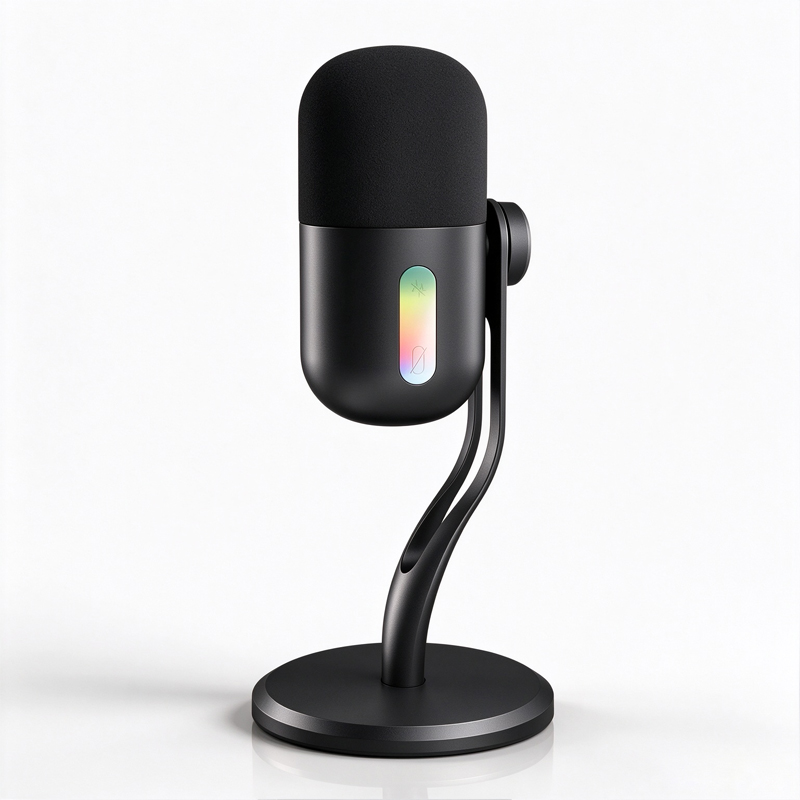
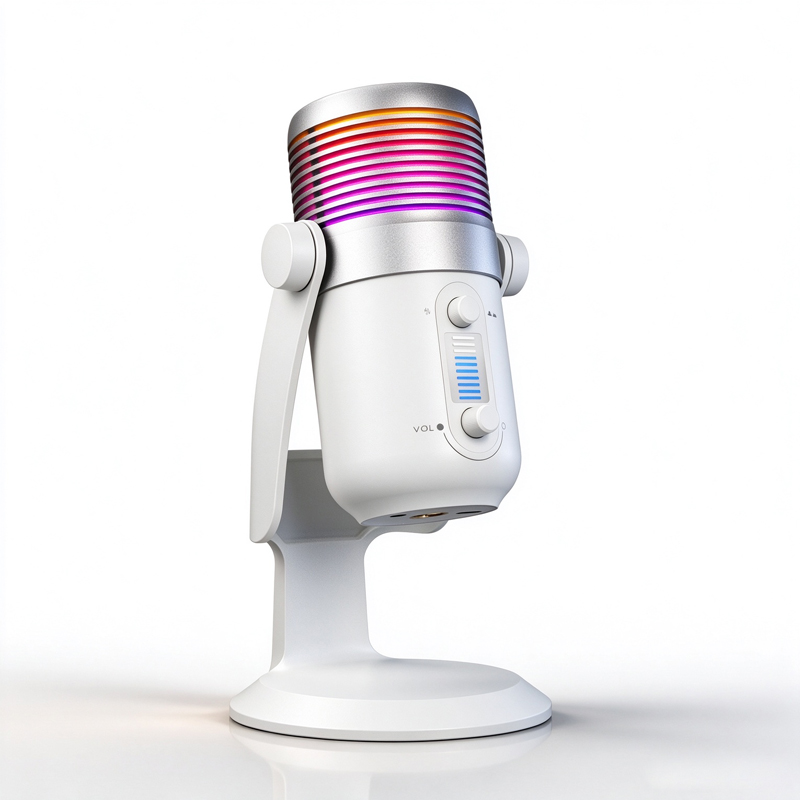
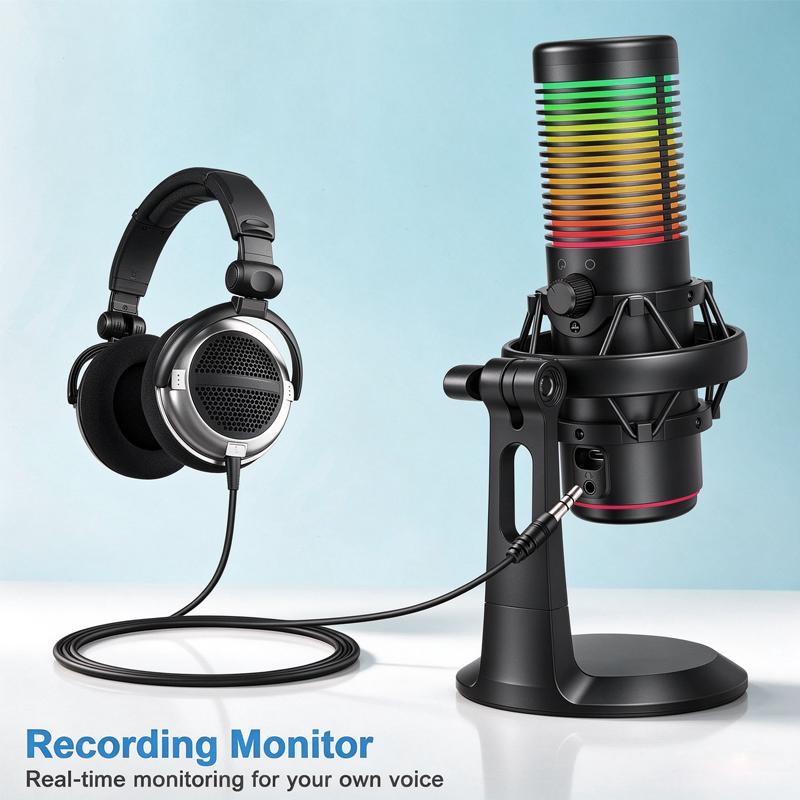
Streaming microphones  are essential tools  for clear audio capture in  various  professional settings, including conferences, education, and telemedicine. For B2B buyers—such  as purchasing managers, engineers, and  product managers—understanding  the key specifications, installation  requirements, and performance features  of streaming  microphones is  crucial for ensuring high-quality communication. This  article  will provide  insights into essential  considerations when  sourcing  streaming  microphones, helping you make informed purchasing  decisions.

 
What Makes a Reliable Streaming Microphone?

What Makes a Reliable Streaming Microphone?

A  reliable streaming microphone should combine quality construction with advanced features. Look for the  following attributes:

Build Quality: A microphone with a sturdy design will  withstand frequent use,  especially in dynamic  environments like conferences or classrooms. Metal  housings often provide better durability compared  to plastic ones.

Noise Reduction Technology: Effective  noise-canceling features are critical for clear audio capture, especially in crowded or noisy environments.  Look for microphones equipped with AI noise reduction capabilities to minimize disruptions.

Compatibility with Software: Ensure  that the microphone  is compatible with your preferred streaming  software and platforms. This compatibility  can significantly streamline setup  and operation during live  events or recorded  sessions.

Certification Compliance: Check for certifications such as  CE, FCC, and RoHS, which indicate that the microphone meets international safety and environmental  standards. This  is  particularly important for businesses that prioritize compliance and sustainability.

Installation Guidance for Professional Streaming Microphones

Installation Guidance for Professional Streaming Microphones

Proper installation of streaming microphones is crucial to achieving optimal  audio performance. Here are some  best practices:

Positioning: The  microphone should be positioned close  to the sound source to capture clear audio. For group settings,  consider using  a microphone  with an omnidirectional pattern placed centrally to pick up voices equally from all participants.

Mounting Options: Depending on  the environment, you may need  different  mounting solutions. Desktop stands, boom arms,  or ceiling  mounts can offer flexibility in positioning. Ensure the mount securely holds the microphone to prevent accidental falls or adjustments.

Cabling and Connections: Use high-quality cables to  reduce signal loss and interference. Make  sure connections are secure and check for any loose cables that might degrade audio quality. For XLR  microphones, consider using  balanced cables to minimize noise.

Testing and Calibration: After installation,  conduct sound checks to adjust levels  and  ensure clarity. Utilize software  tools to monitor audio levels and make necessary adjustments before live streaming or recording.  A reliable live streaming camera can also enhance your setup.

Features and Performance Insights

Features and Performance Insights

Streaming microphones come with  a variety of features that  enhance their  performance:

Built-in Audio Interfaces: Some microphones include integrated  audio interfaces,  simplifying  the connection to computers and eliminating the need for additional equipment. This feature is particularly  useful for remote work setups.

Adjustable Gain Control: Look  for microphones that allow you to adjust gain levels directly. This  feature enables you to optimize  audio  capture based on the  environment and speaker distance, ensuring consistent sound quality.

Multiple Output Formats: Microphones with  multiple output options (such as both USB and XLR) offer versatility for  different applications, making them suitable for various professional settings.

Digital Signal Processing (DSP):  Built-in DSP can enhance audio  quality by  providing effects such as compression and equalization. This feature  allows  for real-time adjustments, ensuring that  audio remains clear and professional.

Applications of Streaming Microphones Across Various Industries

Streaming microphones  are  versatile tools used across numerous industries:

Corporate  Settings: In meetings and conferences,  high-quality streaming  microphones are essential for clear communication. They enable remote participants to hear and contribute effectively, enhancing collaboration.

Education: In classrooms and  online learning environments, streaming microphones help educators deliver lectures with clarity, ensuring  students can engage with the  material without audio distractions.

Telemedicine: For healthcare professionals conducting virtual consultations, reliable  audio is critical. Streaming microphones facilitate clear communication between doctors and patients, ensuring that important information  is conveyed without  misunderstanding.

Broadcasting and Podcasting: In the media industry, streaming microphones are fundamental for recording high-quality audio. They enhance  the listening experience  for audiences,  making  them essential tools for podcasters and broadcasters.

In summary, when sourcing streaming microphones, consider specifications like type, frequency response, and connectivity. Reliable  performance is supported by  build quality, noise reduction features, and compatibility with software. Proper installation and knowledge of applicable features will maximize the effectiveness of these microphones in  various  professional settings. Understanding these aspects will aid B2B buyers in making informed purchasing decisions  to meet their specific application needs.

Key Specifications to Consider When Sourcing Streaming Microphones

When evaluating streaming microphones, several  specifications are pivotal to their performance. Key factors include:

Microphone Type: Choose between dynamic, condenser, or ribbon microphones based on  your application. Dynamic microphones are often more durable and suitable for environments with high noise levels, while condenser microphones offer superior  sensitivity for capturing nuance in quieter settings.

Frequency Response: This specification indicates the range  of frequencies the microphone can capture. A wider frequency response (e.g., 20 Hz to 20 kHz) can provide a more accurate representation of sound, making it essential for professional applications.

Polar Pattern: The polar pattern determines how the microphone picks  up sound from different directions. Common patterns  include omnidirectional, unidirectional (cardioid), and  bidirectional. Omnidirectional mics capture sound from all directions,  which is beneficial  in group settings,  while unidirectional mics focus on sound from a specific direction, reducing background noise.

Signal-to-Noise Ratio (SNR): A higher  SNR indicates better audio clarity, as it measures the level of the desired signal against background noise. Aim for  a microphone with an SNR of at least 70 dB for professional use.

Connectivity Options: Consider whether  the microphone uses  USB, XLR, or other connection types. USB  microphones are typically easier to set up with computers, while XLR connections are preferred for professional  audio setups due to  their  better sound quality and versatility. Additionally, a  BYOM system can enhance the overall audio experience.


Frequently Asked Questions

What platforms work with the streaming microphone?

The streaming microphone supports USB plug-and-play for Windows, macOS, and most Linux distributions. It also works with major streaming and conferencing apps without additional drivers.
Yes. Built-in noise reduction and echo cancellation algorithms ensure clear voice capture for streaming, conferencing, and telemedicine scenarios.
Yes. Designed for enterprise and education, the array microphone captures multiple voices with wide pickup and AI-assisted voice clarity.
Yes. Moertek offers OEM/ODM customization including housing, firmware tuning, and connector options to meet enterprise and education requirements.
The streaming microphone meets CE, FCC, and RoHS standards and is developed with industry-grade RD and manufacturing quality controls.

Get a Free Quote

Our representative will contact you soon.
0/1000