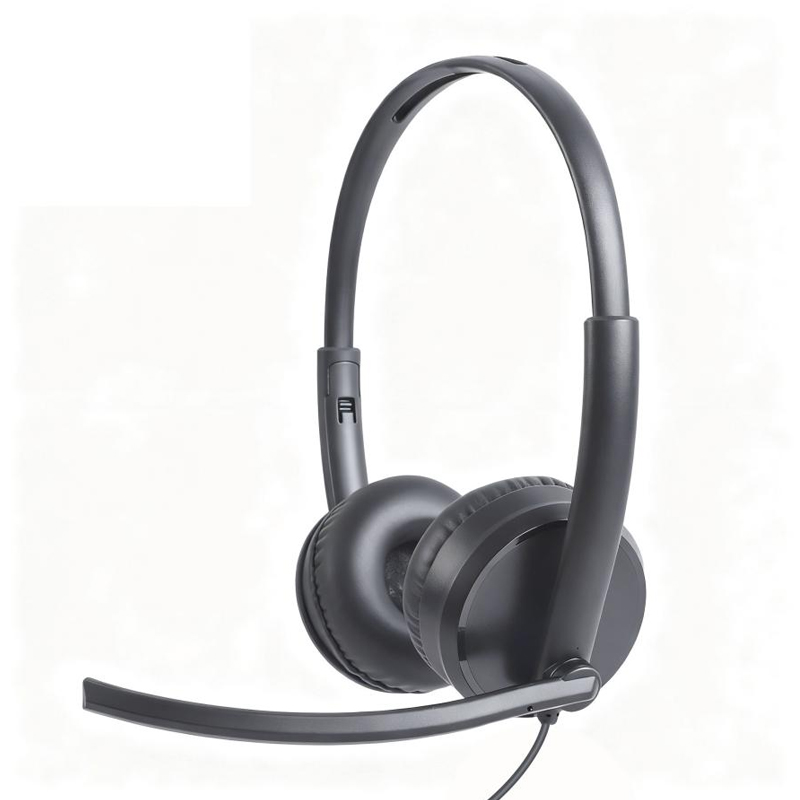
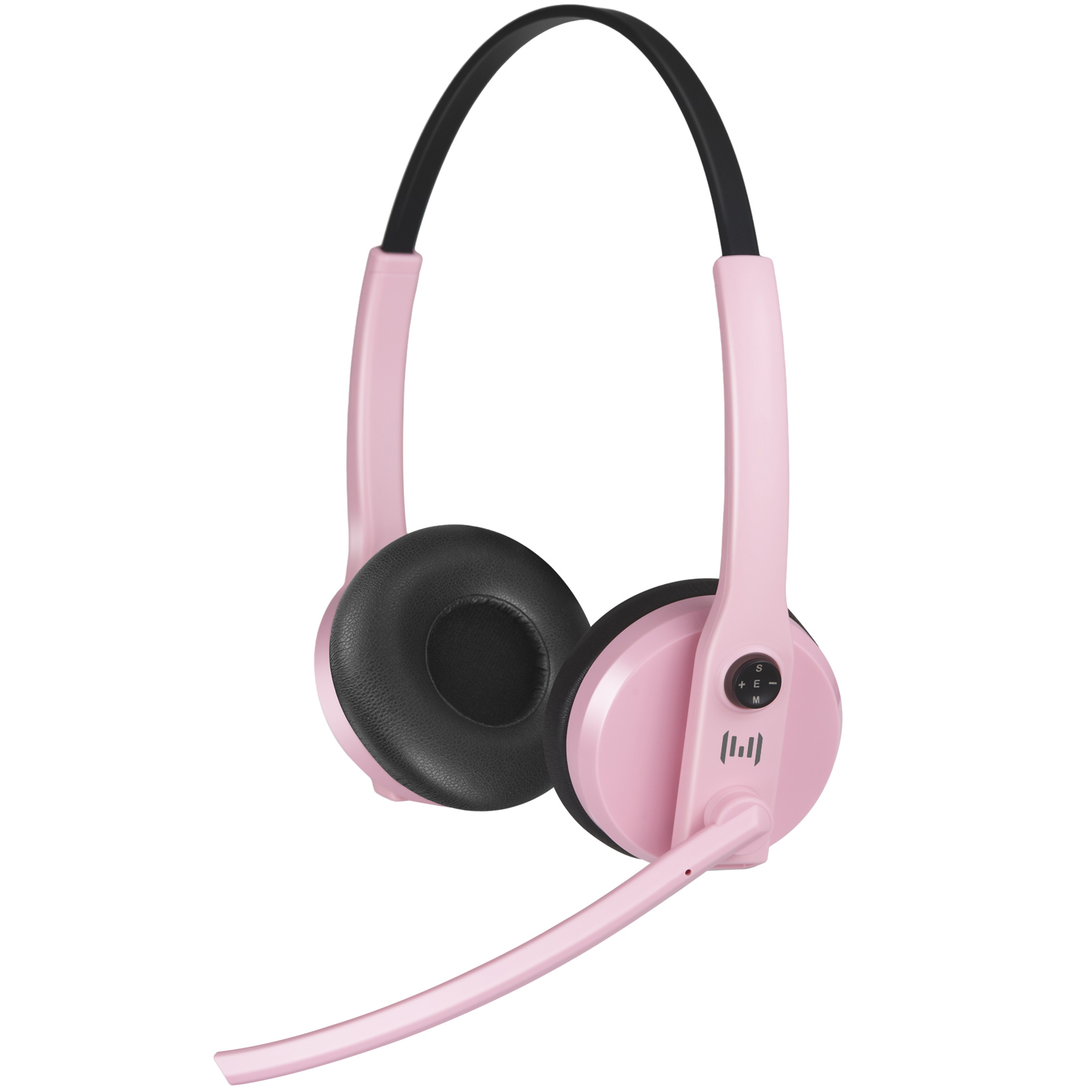
Best Call Center Headset Specifications and Solutions

application/best-call-center-headset, application/best-call-center-headset, 
Inquiry
Inquiry

best call center headset

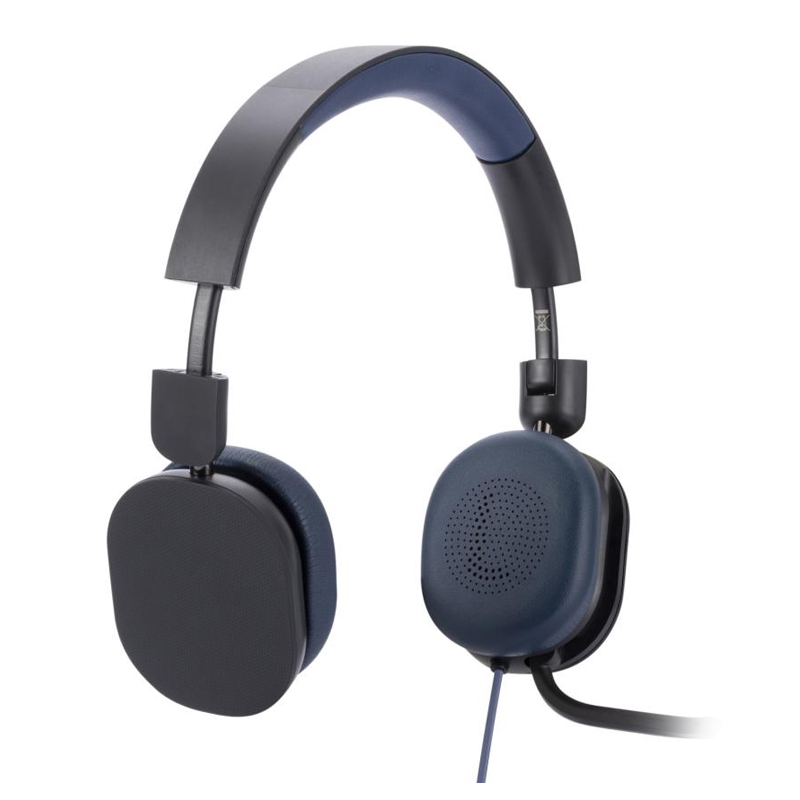
In  the world  of  business communication, the right tools  can make  a  significant difference. Among these, the best  call  center  headset stands out as  an essential  equipment choice for  enhancing audio clarity,  comfort, and productivity. As B2B buyers, purchasing  managers, and product  managers, you may  have specific concerns regarding specifications, compatibility, and performance. This  article  will delve into critical aspects of call  center headsets, helping you make informed purchasing  decisions.

Installation Guidance for Optimal Performance of Call Center Headsets

Installation Guidance for Optimal Performance of Call Center Headsets

Correct installation and setup of call center headsets are critical to achieving optimal performance. Here are several considerations:


Connection: Depending on the type of headset, ensure that the connection method is appropriate for your system. For USB  headsets, plug them into the correct port, and for Bluetooth models, ensure they  are properly paired with the device.

Adjusting Settings: Once  connected, adjust the audio settings on the device  to match the  headset specifications. This may  involve setting the microphone volume and speaker output levels to ensure clear communication.

Positioning the Microphone: Proper microphone positioning  is essential. The microphone should be close to the mouth but not directly in front  to avoid  capturing breath noises. An optimal distance is  about an inch from the mouth.

Testing: Before  full deployment, conduct audio tests  to ensure both incoming and outgoing sound quality is satisfactory. This step is critical  in identifying any issues before they affect  productivity.

Employee Training: Train employees on how to adjust  their headsets for maximum comfort and  performance. This includes how to wear the headset correctly, adjust volume levels, and troubleshoot basic  issues.

By following these guidelines, businesses  can ensure that their call  center headsets perform effectively, enhancing communication and productivity.

Common Problems with Call Center Headsets and Their Solutions

Common Problems with Call Center Headsets and Their Solutions

Despite  their advantages, call center headsets can encounter various issues. Here are  some common problems and practical solutions:

Poor Audio Quality:  If the sound quality is lacking, check  the connection. For wired headsets, ensure the cable is securely plugged in.  For  wireless models, ensure that the battery is charged and the headset is within range of the connected device.

Discomfort During Use: If employees  report discomfort, assess the fit of the headset. Adjustable headbands and replaceable ear cushions can help improve comfort.  Encourage employees to  adjust the  headset to their preferred  fit.

Microphone Issues: If the microphone  fails to pick up sound properly, ensure it is positioned correctly. Additionally, check if the microphone is muted on the software being used.  Sometimes, a simple restart of the device can resolve software-related issues.

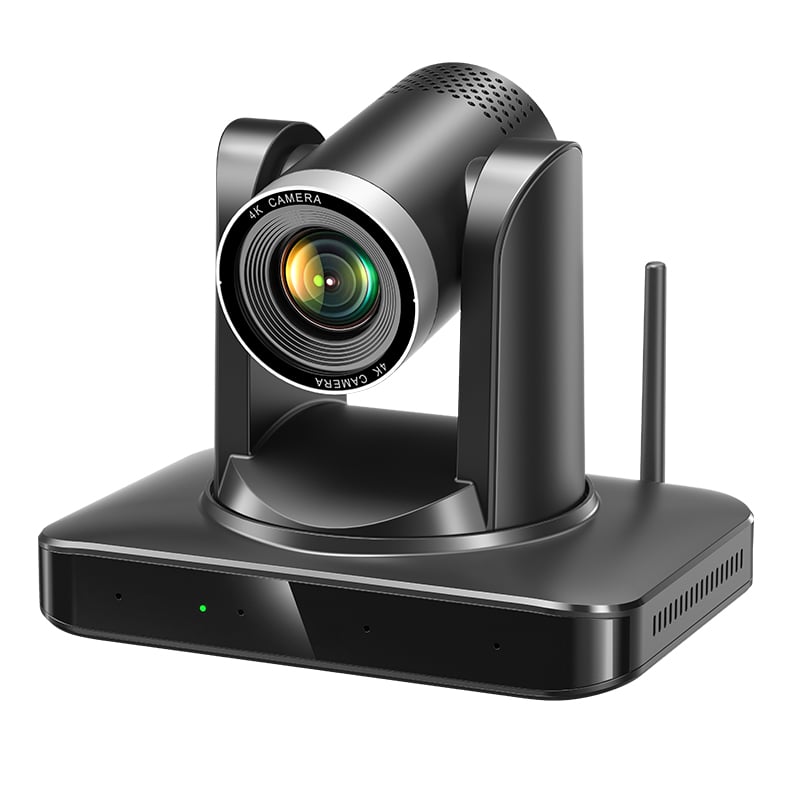
Connectivity Problems: For wireless headsets, ensure they are charged and within range. If connectivity issues persist, reset the headset or check for interference from other electronic devices. Utilizing a Live streaming camera can also help in testing connectivity.


Wear and  Tear: Regularly inspect headsets for signs of wear, such as frayed cables or  loose  joints. Implement a  maintenance schedule to replace  damaged headsets before they impact productivity.

By addressing these common issues  proactively, businesses can maintain a high level of communication quality and employee satisfaction.

Applications of Call Center Headsets in Various Industries

Applications of Call Center Headsets in Various Industries

Call center headsets are  versatile tools used across different sectors. Understanding  their applications can  help buyers make informed  decisions:

Telecommunications: In this sector,  call center headsets are essential for customer support representatives, ensuring clear  communication with customers.

Healthcare: In telemedicine, headsets facilitate clear  communication between  healthcare professionals and patients,  often involving sensitive information  where privacy  is crucial.

Education: With the rise of remote learning, educators and students  utilize headsets  for online classes to  enhance audio clarity and minimize distractions.

E-commerce: In the e-commerce sector, customer service representatives use headsets  to assist  customers with inquiries and complaints, making seamless communication vital.

Technical Support: Technical support teams rely on headsets  for troubleshooting issues  with customers, where effective communication is essential for problem resolution.

Understanding these applications helps buyers evaluate headset requirements specific to their industry needs, ensuring optimal  performance  and satisfaction.

Understanding Material Advantages of Call Center Headsets

The materials used in manufacturing  call center headsets play a significant role in  their performance and durability. Key material considerations include:

Plastic  vs.  Metal Frames: While plastic frames are  lightweight  and cost-effective, metal frames offer greater durability, making them suitable for high-use environments. Buyers should weigh the cost against the expected lifespan of the headset.

Ear Cushion  Materials: Ear cushions can  be made from foam, leatherette, or fabric.  Foam provides comfort but may not be  as durable as leatherette. Leatherette is easy to clean but may not be as breathable as fabric. Consider the working environment and employee comfort when selecting  materials.

Cable  Composition: The material of the cables  can impact durability. Look for headsets with reinforced cables to prevent fraying and breaking, particularly  in busy  call center settings.

Microphone Mesh: The mesh covering the microphone should be durable and resistant to moisture. This  feature  can help maintain  audio clarity over time and protect the microphone from  damage.

Weight Considerations: Lighter materials can enhance comfort, especially for long-term wear. However, ensure that lightweight options  do not compromise durability.

By understanding the advantages of different materials, buyers can select headsets that offer the best combination of comfort, durability, and performance tailored to their specific needs.

Best Call Center Headset Specifications for Wholesale Buyers

When evaluating the best call center headsets, several specifications should be prioritized to ensure optimal performance. Key specifications include:

Audio Quality: A headset should have  noise-canceling features to minimize  background sounds,  thereby enhancing voice clarity. Look for headsets with  wideband  audio, which  provides a broader frequency range for  clearer communication.

Comfort  and Ergonomics: Since  call center employees  often wear  headsets  for extended periods, comfort is paramount. Consider headsets with adjustable headbands, soft ear cushions, and lightweight designs.

Connectivity Options: Ensure the headset is compatible with your existing telecommunication  infrastructure. Options may include Bluetooth, USB, or traditional analog connections. The right  connectivity can significantly affect flexibility and ease of use. For instance, a reliable Wireless Display Dongle can enhance wireless capabilities.

Durability and Build Quality: Given  the daily wear and tear in a call center environment, headsets  should be made  from robust materials. Look for products with reinforced joints and cables to withstand heavy use.

Battery Life: For wireless headsets, battery life is essential. A headset should provide several hours of talk time on a full charge, allowing for  uninterrupted communication.

Microphone Features: A boom microphone with noise-canceling capabilities is preferable. This feature ensures that your voice is transmitted clearly while reducing background noise.

Understanding these specifications helps wholesale buyers select headsets that meet both functional and comfort requirements, ensuring high performance in  a demanding call center environment.

Frequently Asked Questions

What makes this the best call center headset?

Our headset combines noise reduction, array microphone clarity, and ergonomic design developed by Moertek to ensure clear calls, reduced background noise, and all-day comfort for call center environments.
Yes. The headset supports standard USB and 3.5mm connections and can integrate with most VoIP phones, softphones, and contact center platforms via plug-and-play.
Yes. It features advanced noise reduction and array microphone technology to minimize background noise and improve voice pickup for clearer customer interactions.
Yes. Our products are developed with CE, FCC, and RoHS certifications, meeting safety and environmental standards for enterprise and regulated environments.
Yes. Moertek provides OEM/ODM services including custom branding, firmware tweaks, and hardware adjustments for enterprise, education, and telemedicine deployments.

Get a Free Quote

Our representative will contact you soon.
0/1000