Choosing a Wireless PTZ Camera System for Your Needs

application/wireless-ptz-camera-system, application/wireless-ptz-camera-system, 
Inquiry
Inquiry

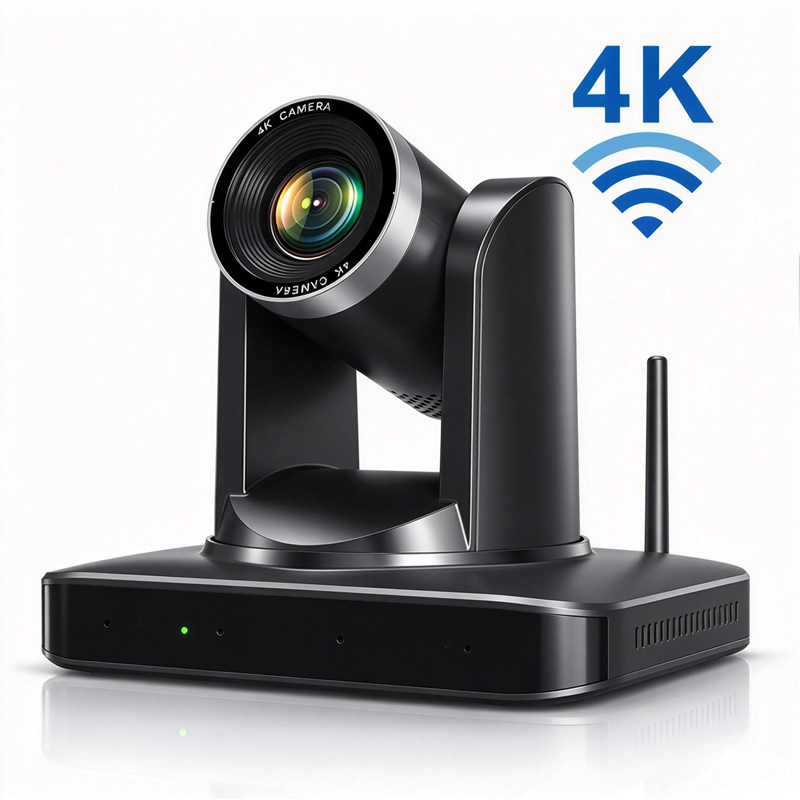
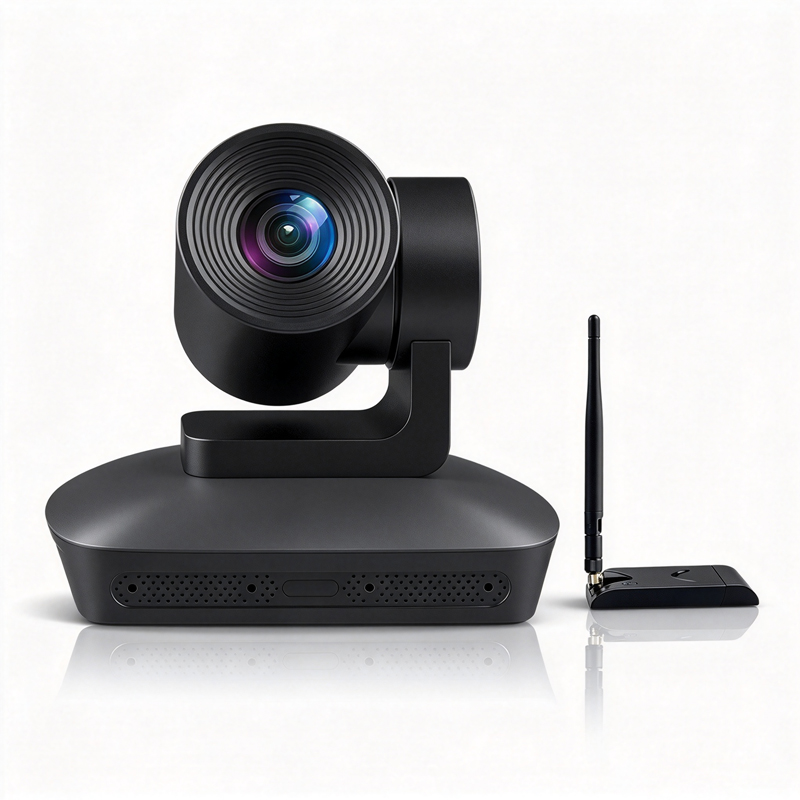
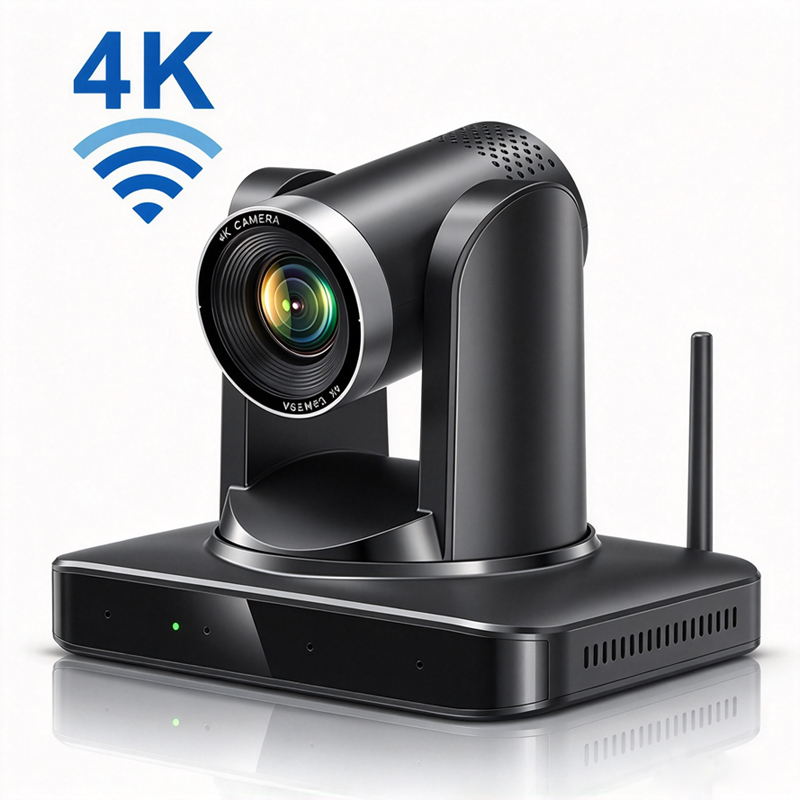
wireless ptz camera system

Wireless PTZ  camera systems are increasingly vital for modern surveillance and conferencing needs,  offering  flexibility through  remote control, high-definition video quality, and  advanced features like auto-tracking and  noise reduction. As a  B2B buyer, your primary  concerns may include ensuring compatibility with  existing systems, evaluating quality and  reliability, understanding  pricing  structures,  and identifying  potential applications. This article will help you navigate the essential  considerations  for selecting a  wireless PTZ camera system, focusing  on specifications, manufacturing quality control, common issues,  and industry applications.

Key Specifications to Evaluate in Wireless PTZ Camera Systems for Wholesale

Key Specifications to Evaluate in Wireless PTZ Camera Systems for Wholesale

When evaluating wireless PTZ camera systems for wholesale purchase,  there are several  specifications  that should be closely examined: 

Video Resolution: Ensure  the camera offers at least  1080p resolution, with 4K being preferable for detailed footage. Zoom Capability: Look for optical zoom rather than digital, as it  maintains  image quality when magnifying subjects. Field of View:  A  wider field of view is beneficial for covering large areas without needing multiple  cameras. Low Light Performance: Cameras with enhanced low-light capabilities will perform better in dim conditions, which is  crucial for security applications. Durability and Weather Resistance:  If the camera is to be placed outdoors, check  for an IP rating that signifies resistance to dust and water. Audio Features: Built-in  microphones or compatibility with external audio  systems, like those offered  by Moertek, enhance the overall experience in conferencing  settings. <p>Understanding these specifications will help  you determine the  best model for your specific needs and  facilitate more informed pricing discussions with suppliers.</p>
Quality Control Measures for Wireless PTZ Camera Systems in Manufacturing

Quality Control Measures for Wireless PTZ Camera Systems in Manufacturing

Quality control is paramount in the manufacturing of wireless PTZ camera systems, especially in  maintaining high performance  and reliability. Manufacturers should implement several quality assurance measures throughout  the production  process: 

Incoming Material Inspection: All  components, including lenses, sensors, and electronic parts, should undergo  rigorous inspections  to ensure they meet specified  standards before assembly. In-Process Testing: Regular testing during the assembly process helps identify any  defects early. Checks can include functionality tests for motors,  connectivity, and image clarity. Final Product  Testing: Each finished unit should be evaluated  under different  operational scenarios to ensure it meets performance specifications.  This includes testing the camera's  tracking capabilities, video quality in various lighting conditions, and  wireless  range. Compliance and Certification Checks: Ensure that  products meet international standards such as CE and  FCC. This not only ensures safety but also enhances marketability in different regions. 

By focusing on these measures, manufacturers like Moertek can ensure that their wireless PTZ camera systems deliver consistent quality that meets customer expectations.

Common Problems with Wireless PTZ Camera Systems and Their Solutions

Common Problems with Wireless PTZ Camera Systems and Their Solutions

While wireless PTZ camera systems are highly effective, they may encounter a few common issues that can hamper performance: 

Connectivity Issues: Dropouts  in wireless connectivity can lead to interruptions in video feeds. This can often be mitigated by ensuring the camera  is within  the optimal range of the wireless router and utilizing repeaters or  extenders if necessary.</p>

<strong>Power Supply Failures</strong>: Fluctuations in power  supply can affect camera  functionality. Implementing  a reliable power backup system or UPS can help maintain  operations during outages.</p>  

<strong>Image Distortion or Lag</strong>: This can occur due to inadequate bandwidth. To resolve this, ensure that your network  can  handle  the data load, and consider upgrading to higher-speed internet  connections if necessary.</p>

<strong>Difficulty in Installation</strong>: Complex setups can lead to improper installation. Providing detailed installation guides and training for  end-users can help alleviate this  issue.</p>

<strong>Software/ Firmware Issues</strong>: Regular updates are  essential for performance improvements  and security patches. Manufacturers should provide easy access to software updates and encourage users to keep their systems current.</p>

Understanding these issues  and their  solutions helps buyers  prepare for potential challenges and facilitates smoother operations post-purchase.</p>

Applications of Wireless PTZ Camera Systems in Various Industries

Wireless PTZ camera systems  have versatile applications across multiple industries: 

Corporate and Education:  In conference settings, these cameras enhance  presentations by providing clear video feeds and allowing remote participants to engage seamlessly. The AI  auto-tracking feature can follow speakers, ensuring that audiences remain engaged.</p>

Security and Surveillance:  These  systems are invaluable in security applications, providing coverage for large areas without the need for extensive wiring. The ability to zoom in on suspicious activity while maintaining high-resolution detail makes them invaluable for monitoring  sensitive locations.</p>

Telemedicine: In healthcare, wireless PTZ cameras facilitate remote consultations and  examinations. High-quality video and audio capabilities ensure clear communication between doctors and patients, enhancing  the telemedicine experience.</p>

Live Events and Streaming: Whether for concerts, sporting  events, or webinars,  wireless PTZ cameras  provide flexibility in capturing dynamic content, allowing  operators  to shift focus seamlessly during live broadcasts.</p>

By understanding the specific applications of  wireless PTZ  camera systems,  buyers can better assess their needs and select the right systems for their projects. Conference systems and live streaming cameras are also relevant considerations for enhancing event experiences.

selecting the right wireless PTZ  camera system involves a comprehensive evaluation of specifications, quality control measures, potential issues, and industrial applications. By focusing on these elements,  you can ensure  a successful procurement process that aligns with your operational goals.

What to Consider When Choosing a Wireless PTZ Camera System for Your Project

When selecting a wireless PTZ (Pan-Tilt-Zoom)  camera system, consider  several key  factors that align with your project needs. First, evaluate the camera's resolution; for most applications, a 4K resolution is ideal as it ensures clarity and detail during both live  streaming  and recordings.

Next,  assess the camera's connectivity options. Wireless  systems typically utilize Wi-Fi  or cellular connections, but the reliability of the connection in your operational environment is crucial. If your  project requires  high mobility or installation in hard-to-reach places, ensure the camera has robust wireless capabilities. 

Additionally, look for features such as AI auto-tracking, which allows  the camera to follow movement automatically, making it beneficial  for conferences  or security applications. Lastly,  confirm that the  camera system  complies with necessary  certifications like CE, FCC, and RoHS, which  are essential for ensuring  safety and environmental compliance.

Frequently Asked Questions

What features does the wireless PTZ camera system include?

Our wireless PTZ camera system offers 4K video, AI auto-tracking, tilt/pan/zoom control, onboard noise reduction, and wireless connectivity for conference, education, and telemedicine use.
Yes. The system supports standard video protocols and integrates with common conferencing software via USB or network streaming for easy deployment.
Moertek’s wireless PTZ camera system holds CE, FCC, and RoHS certifications, ensuring regulatory compliance and reliable performance for global markets.
Yes. We provide OEM/ODM services, including hardware and firmware customization, branding, and integration to meet enterprise, education, and telemedicine requirements.
We offer technical support, firmware updates, and a warranty covering manufacturing defects. Specific warranty terms and service options are provided at purchase.

Get a Free Quote

Our representative will contact you soon.
0/1000