Choosing the Right Conference Speaker for Events

application/conference-speaker, application/conference-speaker, 
Inquiry
Inquiry

Conference speaker

Choosing the right conference speaker is vital for ensuring clear communication and engagement during meetings, presentations, and events. As more businesses, educational institutions, and telemedicine providers adopt advanced audio-visual solutions, understanding the features and specifications of conference speakers becomes critical. This article will explore what to consider when selecting a conference speaker, how to evaluate options, strategies for bulk purchasing, cost factors, and the setup process, ultimately helping B2B buyers make informed purchasing decisions

How to Evaluate Conference Speaker Options

Evaluating conference speaker options requires a systematic approach to ensure that the selected product meets your needs

Specifications Review: Focus on key specifications like frequency response, power output, and size. Frequency response affects how well the conference speaker reproduces different sound ranges, while power output will determine the volume level achievable without distortion

User Reviews and Case Studies: Research user feedback and case studies from similar industries. This will provide insights into the performance of the conference speaker in real-world applications and help identify any common issues

Demo and Testing: Where possible, arrange for a demonstration of the conference speaker. This will allow you to assess audio quality firsthand and ensure it meets your expectations

Manufacturer Support: Consider the level of support offered by the manufacturer. Reliable customer service and warranty options can be critical, especially if issues arise post-purchase

Customization Options: Some manufacturers offer customization capabilities, allowing you to tailor features or aesthetics to match your company's branding or specific requirements

Strategies for Buying Conference Speakers in Bulk

Purchasing conference speakers in bulk can lead to significant cost savings and streamlined procurement processes. Here are some effective strategies

Understand Your Requirements: Clearly outline the specifications and features needed across all units. This includes quantity, compatibility, and any customization requirements, which will streamline the RFQ process

Request Bulk Discounts: When contacting suppliers, inquire about bulk pricing options. Many manufacturers, including those specializing in conference audio solutions, will offer discounts for larger orders

Supplier Relationships: Build relationships with suppliers to negotiate better terms. Establishing a long-term partnership can lead to favorable pricing and priority service for future orders

Assess Lead Time: Discuss lead times with manufacturers to ensure that your order will arrive when needed. This is especially important if the conference speakers are for a specific upcoming event

Quality Assurance: Before finalizing a bulk purchase, request samples to assess quality. This step can prevent potential issues with mass production and ensure the conference speakers meet your expectations

Understanding the Cost Factors of Conference Speaker Solutions

The total cost of conference speaker solutions can vary widely based on several factors

Specifications and Features: Higher-quality audio components, advanced features like AI tracking, and noise cancellation will typically increase the price. Evaluate which features are essential for your needs

Brand Reputation: Established brands may command higher prices due to proven reliability and quality. However, newer manufacturers can offer competitive pricing without compromising on quality

Customization and Branding: Customized conference speakers may involve additional costs, particularly if specific colors, logos, or unique configurations are required

Shipping and Handling: Consider logistics costs, especially if conference speakers are being shipped internationally. Ensure that these costs are factored into your budget

Warranty and Support: A robust warranty and support package can justify a higher upfront cost. Ensure you factor in potential future expenses related to repairs or replacements

How to Set Up Your Conference Speaker System

Proper setup of your conference speaker system is essential for optimal performance. Here are practical steps for an effective installation

Placement: Position the speakers strategically around the room to ensure even sound distribution. Avoid placing them too close to walls or corners, which can cause sound distortion

Connection: Follow the manufacturer’s guidelines for connecting the conference speakers to your audio-visual system. Ensure that all cables are securely connected and check for compatibility with microphones and camera or Live streaming cameras

Testing: Once set up, conduct a thorough testing phase. Test various audio inputs and adjust settings to achieve the best sound quality. This should include checking volume levels and clarity from different positions in the room

Calibration: Some advanced conference speakers may require calibration to optimize performance. Utilize any built-in software or tools provided by the manufacturer for this process

User Training: If multiple team members will be using the system, provide training on how to operate the conference speakers effectively. This will help ensure that everyone can maximize the system or Live streaming system's capabilities during meetings

By understanding these key aspects of conference speaker selection, evaluation, and setup, B2B buyers can make informed decisions that enhance communication and collaboration within their organizations

What to Consider When Choosing a Conference Speaker for Your Events

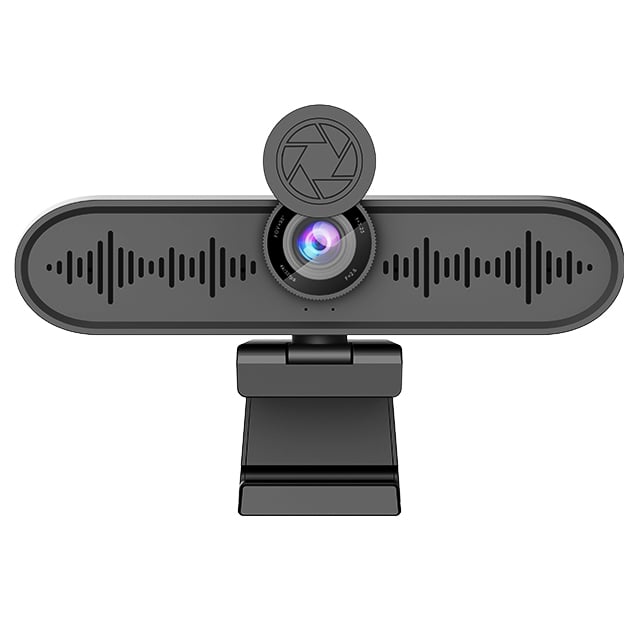
When selecting a Conference Speakerphone, several key factors should be taken into account to ensure optimal performance and suitability for your specific environment

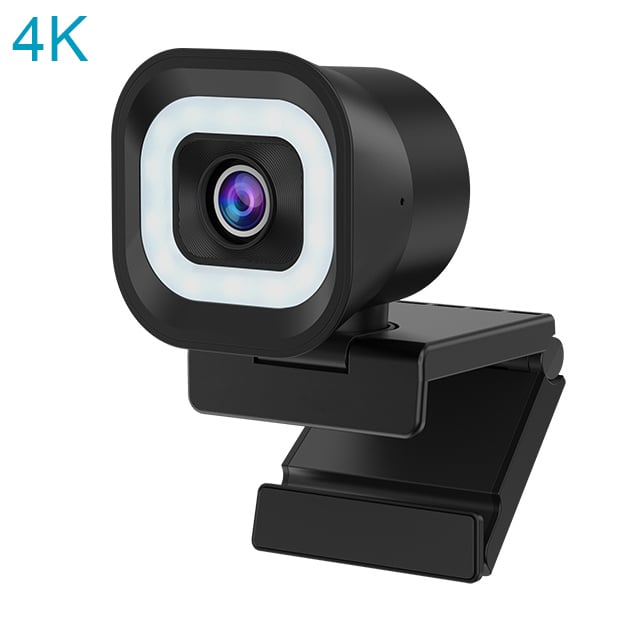
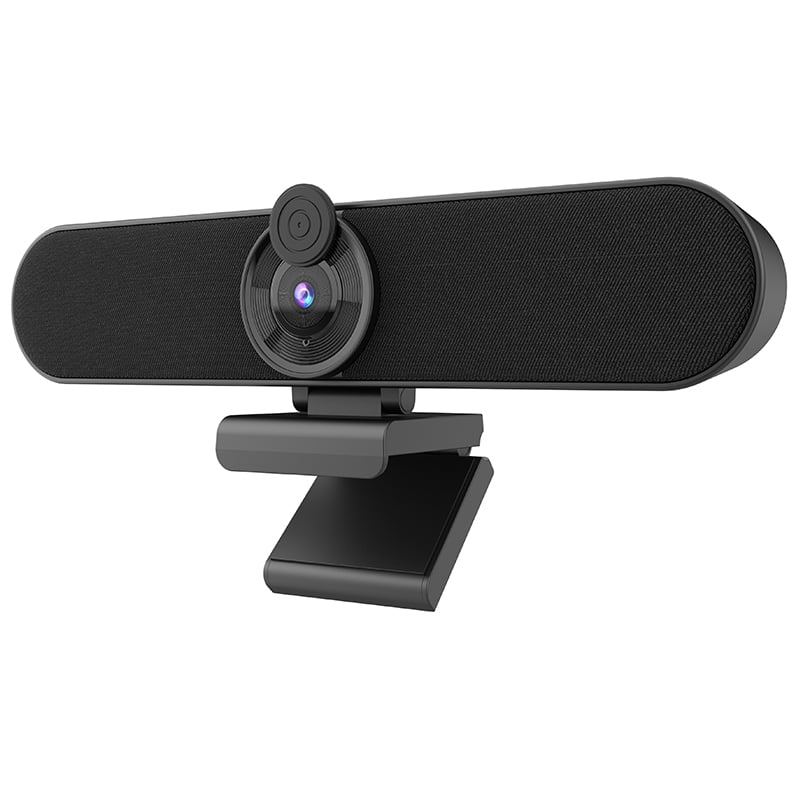
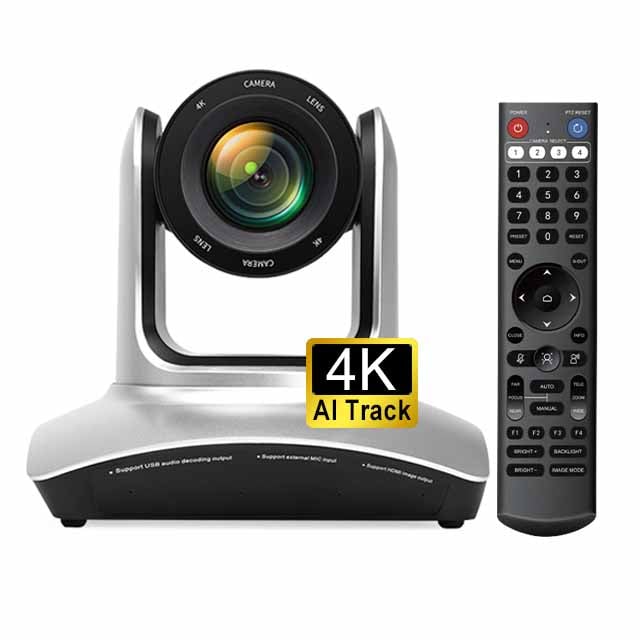
Audio Quality: Look for conference speakers that offer high-definition audio capabilities. Features like AI auto-tracking and noise reduction, as seen in advanced conference audio solutions, can significantly enhance sound clarity, making it easier for participants to engage in discussions

Compatibility: Ensure that the conference speaker is compatible with your existing audio-visual systems. Check for connection options such as USB, Bluetooth, or HDMI, which may influence integration with cameras and microphones

Coverage Area: Consider the size of the room where the conference speaker will be used. Larger spaces may require more powerful speakers or multiple units to ensure even sound distribution

Certification: Look for conference speakers that have relevant certifications—such as CE, FCC, and RoHS—that indicate compliance with safety and environmental standards. This can be crucial for companies that prioritize sustainable practices

Durability: Depending on the application's environment—whether it be a permanent installation in a conference room or portable use for events—select a conference speaker that can withstand the expected wear and tear

Frequently Asked Questions

What is the conference speaker's core functionality?

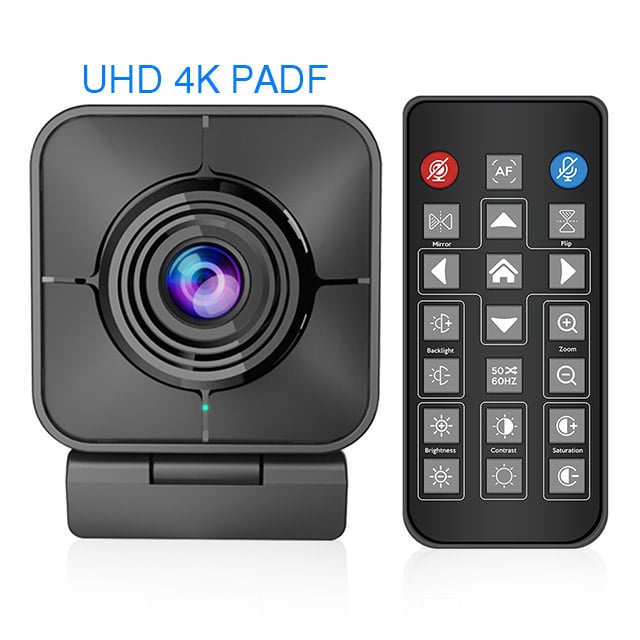
The conference speaker offers clear 4K video support, array microphone pickup, AI auto-tracking, noise reduction, and integrated audio amplification for meetings and telemedicine.
It meets CE, FCC, and RoHS certifications, ensuring compliance with common international safety, electromagnetic, and material standards.
Yes. It supports plug-and-play USB connectivity and standard audio/video protocols for easy integration with conferencing platforms and enterprise AV systems.
Absolutely. We offer OEM/ODM customization for hardware, firmware, and branding to meet enterprise, education, and telemedicine requirements.
AI auto-tracking smoothly follows active speakers; adaptive noise reduction suppresses background noise while preserving voice clarity for reliable meeting audio.

Get a Free Quote

Our representative will contact you soon.
0/1000