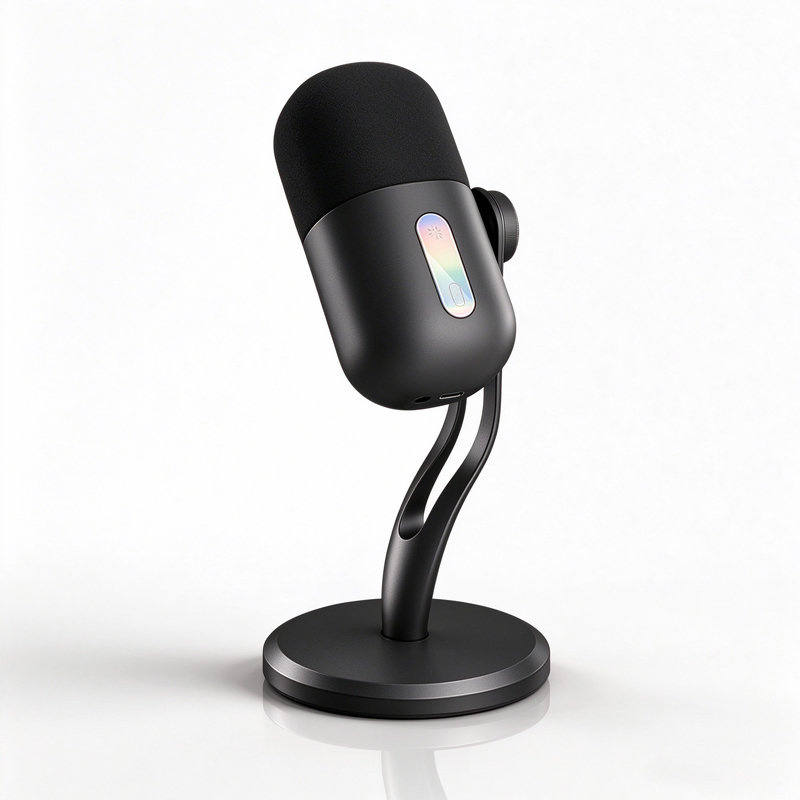
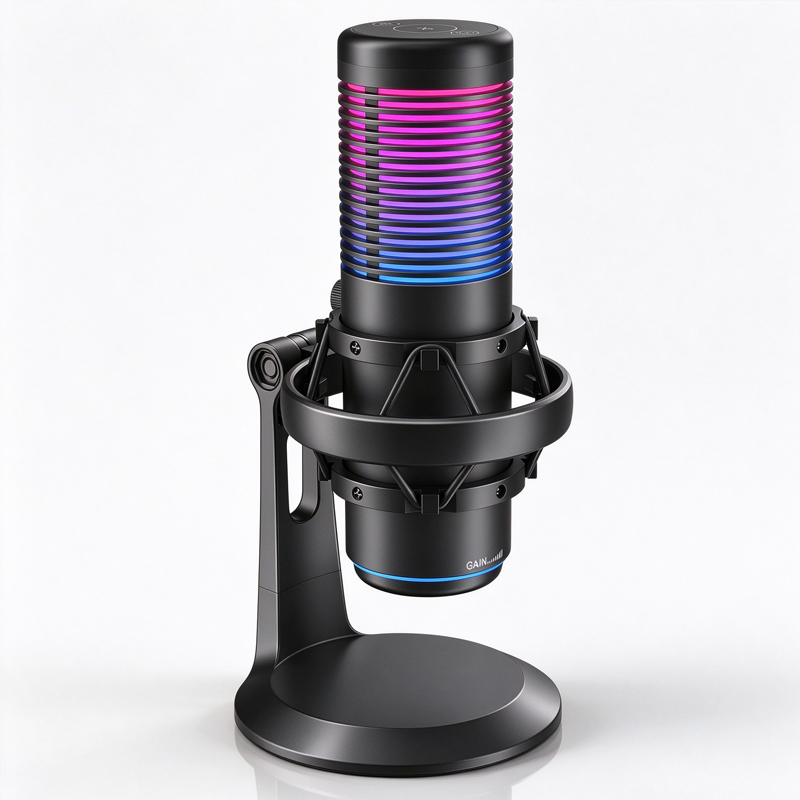
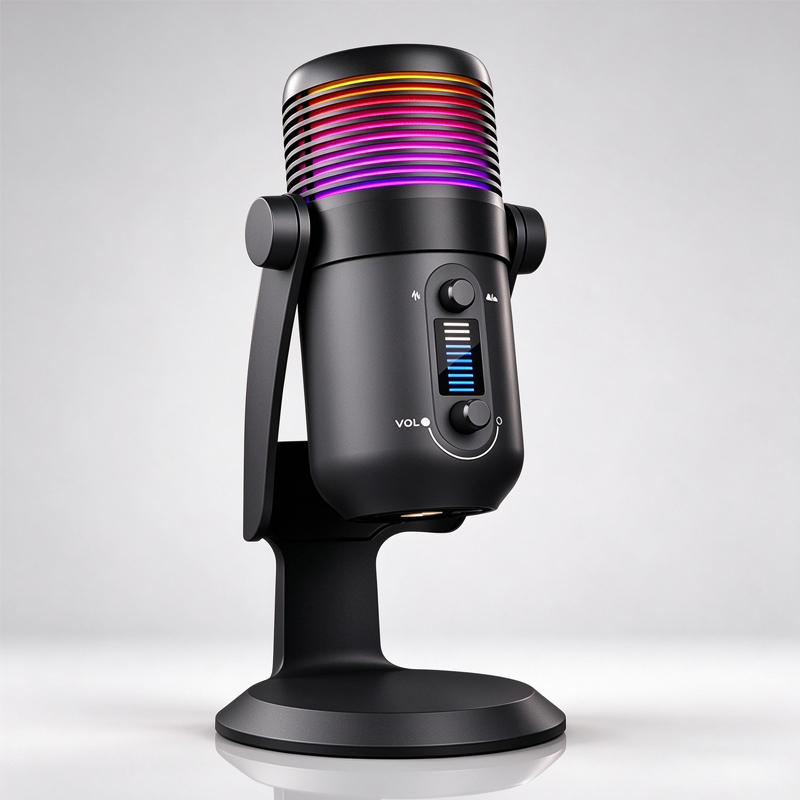
Key Specifications of Noise Canceling Microphones

application/Noise-Canceling-Microphone, application/Noise-Canceling-Microphone, 
Inquiry
Inquiry

Noise Canceling Microphone

Noise canceling microphones are essential  tools  designed to enhance audio  quality by  minimizing  background noise during recordings  or communications. As businesses increasingly  rely on clear  communication  for remote meetings, telemedicine, and educational settings,  understanding the features and  specifications of these microphones has become vital for purchasing  managers and other  B2B buyers. This  article will  address  critical considerations  for wholesale buyers, helping you  evaluate quality, understand cost factors, and  explore applications within industrial  environments. For instance, using a 4K PTZ Camera 60fps AI Auto Tracking Optical Zoom HDMI USB for Conference can greatly enhance communication clarity during meetings.

How to Evaluate the Quality of Noise Canceling Microphones

How to Evaluate the Quality of Noise Canceling Microphones

Evaluating the  quality of noise canceling microphones involves  several critical steps:

Sample Testing: Before placing bulk  orders, request samples to evaluate sound quality  and  performance in real-world settings. Testing under actual conditions can reveal how well the microphone handles  background noise.

Material Assessment: The construction materials affect durability and sound quality. Look  for microphones made with high-quality components that provide  resilience against wear  and tear.

Manufacturer Reputation: Research the manufacturer's history in the industry. Established companies with a reputation for quality products, like Moertek, often have robust quality control processes and certifications such as CE, FCC, and  RoHS.

User  Reviews and Testimonials: Seek feedback from other users  or companies that have utilized the microphones. Reviews can provide  insights into performance and  reliability over  time.

Technical  Support and Warranty: Ensure  the manufacturer offers adequate technical support  and warranty options. This can be crucial for resolving issues that may arise after purchase.

By following these steps, buyers can better assess microphone quality and ensure they choose a reliable  option for their  needs.

Cost Factors to Keep in Mind for Bulk Noise Canceling Microphone Orders

Cost Factors to Keep in Mind for Bulk Noise Canceling Microphone Orders

When planning bulk orders of  noise canceling microphones,  several cost  factors should be considered:

Minimum Order Quantity (MOQ): Suppliers often have  a MOQ that can affect  overall costs.  Understanding this requirement helps buyers budget effectively.

Customization Options: Customization  can  increase costs  but may be necessary to meet specific application needs. Discuss customization options with the manufacturer to get accurate pricing.

Shipping and  Logistics: Shipping costs can vary based on order size, destination, and shipping method. Factor these costs into the total budget.

Payment Terms: Clarify payment terms with  the supplier. Early payment discounts or financing options can impact cash  flow.

Long-Term Contracts:  Consider negotiating long-term supply  agreements, which can stabilize pricing and ensure  availability, potentially leading to cost savings.

By understanding these  cost factors, businesses  can make informed financial decisions when ordering noise canceling  microphones.

Applications of Noise Canceling Microphones in Industrial Environments

Applications of Noise Canceling Microphones in Industrial Environments

Noise canceling microphones have various applications in  industrial environments, where clear communication is critical. Some  notable uses include:

Telemedicine: In medical  settings, noise canceling microphones  ensure clear  audio  during virtual  consultations, enhancing patient-provider interactions.

Manufacturing and Production: These  microphones can be used in noisy factory environments where clear  communication is  necessary for team  coordination and safety.

Education: In  classrooms equipped for remote learning, noise canceling microphones can minimize  distractions, allowing teachers and students to communicate effectively.

Fieldwork: Engineers and technicians working  in outdoor or  high-noise environments benefit from  these microphones, as they help capture  clear audio during inspections or assessments. Utilizing a Dual 4K Webcam with Ring Light PDAF Autofocus Remote for Zoom Teams can enhance field communication as well.

Understanding these applications can guide businesses in  selecting  the  right microphones that meet specific operational needs.

Common Problems with Noise Canceling Microphones and Their Solutions

Despite their advantages, noise canceling microphones can encounter  several common problems. Here  are solutions to address  these issues:

Insufficient Noise Cancellation: If the  microphone fails to adequately cancel  noise, verify the directional pattern is appropriate for the intended use. Unidirectional models are usually more effective in noisy environments.

Audio Distortion: Distortion may occur if the microphone is placed too close to the sound source. Adjust the distance and ensure the  microphone is not overloaded with sound.

Connectivity Issues:  Problems with USB or XLR connections can  disrupt performance. Ensure cables  are undamaged and connections are secure. If using wireless models, check battery levels and signal strength.

Compatibility Concerns: Some microphones may not be compatible with specific software or hardware. Confirm compatibility with existing systems before purchase.

Maintenance Needs:  Regular cleaning and maintenance can prolong microphone life. Implement a routine to check and clean  microphones to avoid performance degradation.

By anticipating these problems and knowing their solutions, buyers can ensure smooth  operation and longevity of  their  noise canceling microphones.

In summary, when  sourcing noise canceling microphones, wholesale buyers should focus on key specifications, evaluate quality through rigorous testing, heed  cost factors, understand applications, and prepare for potential issues. This comprehensive  approach will lead to informed purchasing decisions that  enhance communication capabilities  within their  organizations.

Key Specifications of Noise Canceling Microphones for Wholesale Buyers

When  selecting noise  canceling microphones, several key specifications should be  prioritized. These include:

Microphone Type: Common  types include dynamic and condenser microphones. Dynamic microphones are robust and ideal for live settings, while condenser microphones capture a broader frequency  range, making them suitable for studio recordings.

Directional Pattern: Unidirectional microphones focus on sound from a single direction, reducing background  noise  effectively. Omnidirectional microphones capture sound from all  directions and may be used in group settings.

Frequency Response: This specification indicates  the  range of frequencies the  microphone can capture. A wider frequency response allows for more accurate sound reproduction, important for applications requiring clarity.

Signal-to-Noise Ratio (SNR): A higher SNR indicates better sound quality, as it measures the level of desired signal  compared to background noise. Look for  microphones with an SNR above 70 dB for  optimal performance.

Connectivity: Consider whether the microphone requires USB, XLR, or wireless connectivity. USB microphones are user-friendly for plug-and-play  setups, while XLR  microphones offer  higher audio quality and flexibility.

These specifications can significantly influence  the microphone's performance in various applications, so  buyers  should carefully assess their specific needs before making a purchase.

Frequently Asked Questions

What environments suit this noise canceling microphone?

Designed for conference rooms, classrooms, telemedicine suites, and enterprise offices. Effective in moderate to high ambient noise when paired with our array processing and noise reduction algorithms.
Uses multi-microphone array processing and AI-driven noise reduction to isolate speech and suppress background sounds in real time.
Supports standard USB and XLR interfaces (model dependent) and integrates with common video-conferencing platforms via plug-and-play or simple driver installation.
Manufactured under CE, FCC, and RoHS compliant processes with quality controls suitable for enterprise, education, and telemedicine deployments.
Yes. We offer OEM/ODM customization including form factor, interface, acoustic tuning, and firmware integration to match specific deployment needs.

Get a Free Quote

Our representative will contact you soon.
0/1000

Related product categories