Best Mic for Streaming: Key Specs & Buying Guide

application/best-mic-for-streaming, application/best-mic-for-streaming, 
Inquiry
Inquiry

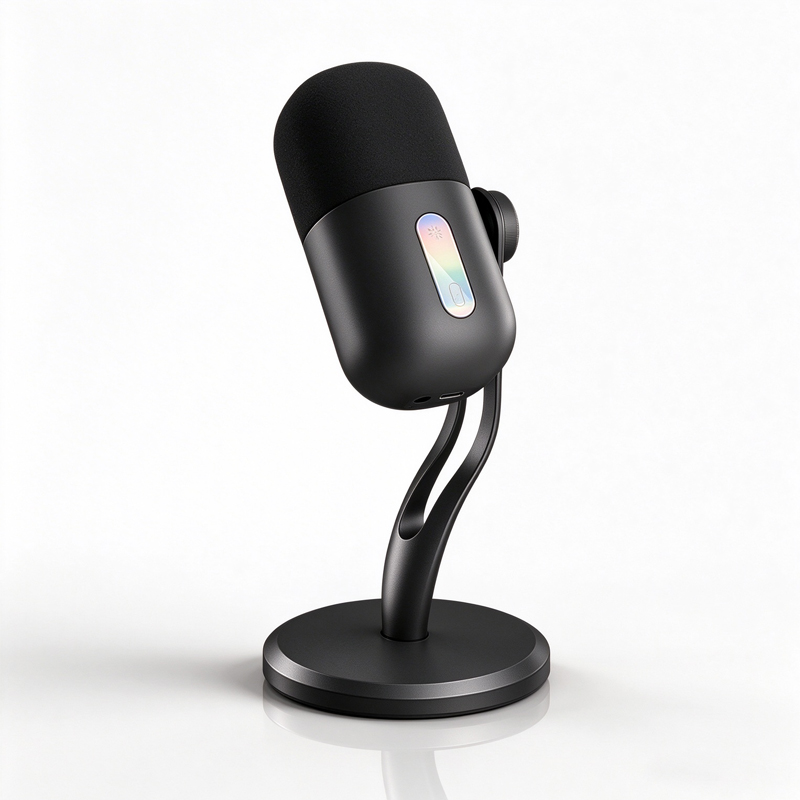
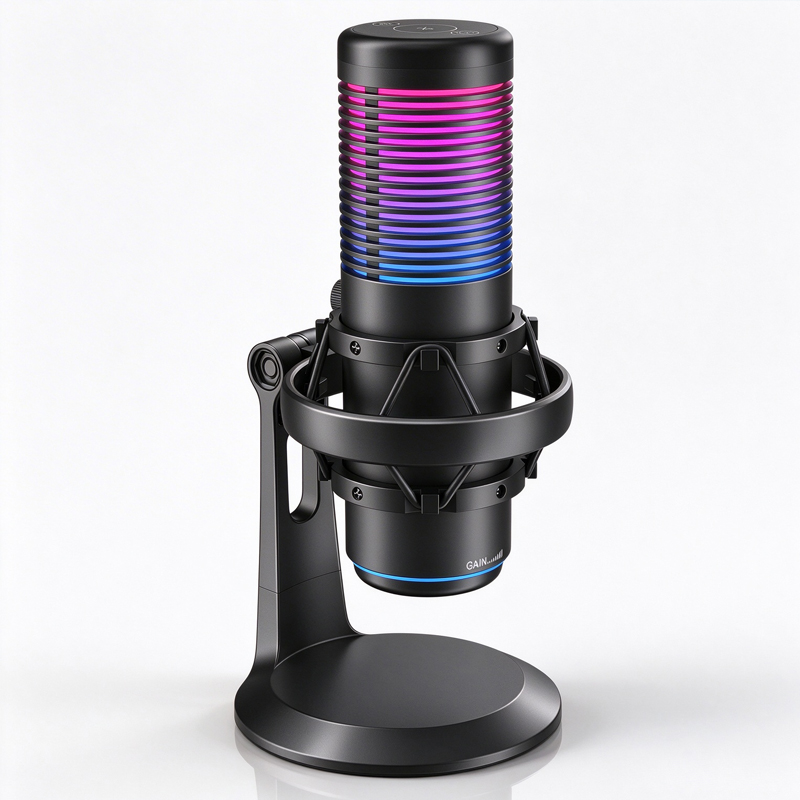
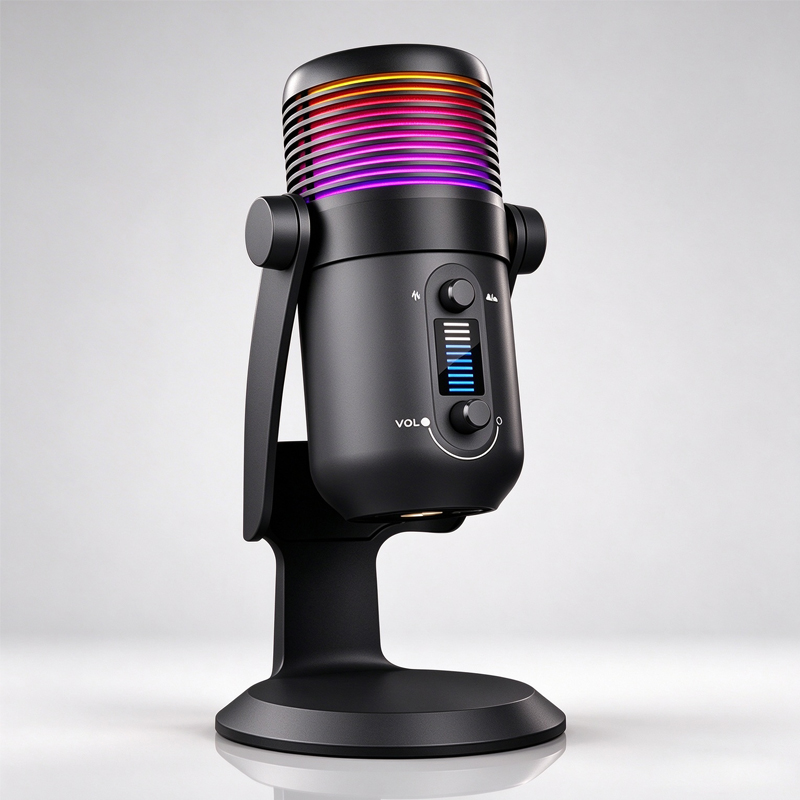
best mic for streaming

In the world of live streaming and online  conferencing, the quality of audio can make  or break  the  experience. This is why  selecting the best mic for streaming  is crucial for  businesses,  educators, and telemedicine  providers alike.  With various options  available, B2B buyers face concerns regarding  audio  clarity, compatibility, and  integration capabilities with existing systems. This article will guide you  through key specifications, features that distinguish high-quality streaming microphones,  installation tips for optimal performance,  where to  procure bulk orders, and common issues with microphones  along  with their solutions.

What Makes a Streaming Microphone Stand Out?

What Makes a Streaming Microphone Stand Out?

The best mic for streaming goes  beyond basic specifications; it also includes unique features  that enhance usability and audio quality.

AI Auto-Tracking: Advanced  microphones may include AI technology that  automatically adjusts  to track and  capture  the speaker’s voice, ensuring consistent audio quality even in dynamic environments. This is particularly useful in conference settings or educational videos. You might want to consider a 4K PTZ Camera 60fps AI Auto Tracking Optical Zoom HDMI USB for Conference for such applications.

Build Quality and Materials: Durable construction can  significantly  affect  the longevity and performance  of a microphone. High-quality materials help reduce handling noise and enhance sound clarity.

User-Friendly Controls: Features such as  gain control,  mute buttons, and headphone outputs allow  users to manage their audio  settings in real-time,  providing greater  flexibility while streaming.

Customizable Settings: The ability to adjust settings for different environments or preferences can be  a  game-changer. Look for microphones that offer software integration for further customization.

These standout features not only improve the streaming experience but can  also lead to higher engagement and satisfaction in virtual interactions.

Installation Guidance for Optimal Performance of Streaming Microphones

Installation Guidance for Optimal Performance of Streaming Microphones

To maximize the performance of your streaming  microphone, proper installation and setup are crucial:

Placement: Position the microphone close to the  speaker's mouth but away from plosive sounds (like ‘p’ and ‘b’  sounds). A distance of about 6-12 inches is typically  ideal. Use a pop  filter to minimize  wind  or breath sounds.

Acoustic Treatment: If possible, set up your streaming area in a space that  minimizes echo and background noise. Soft furnishings,  carpets, and soundproofing panels can help reduce unwanted sound reflections.

Connection Setup: For USB microphones,  ensure that drivers are installed  and the device is selected in the audio settings of your streaming software. For XLR mics,  connect  through a suitable audio interface and check gain levels to avoid  distortion.

Test Audio Levels:  Conduct sound checks before going live. Use monitoring headphones to listen  for clarity and  adjust levels accordingly.

Regular Maintenance: Clean the microphone regularly and check all connections to maintain performance. Dust and moisture can degrade sound quality over time.

By following these installation guidelines,  you can ensure that your microphone delivers the best  auditory  experience during streaming sessions.

Where to Buy Bulk Orders of High-Quality Streaming Microphones

Where to Buy Bulk Orders of High-Quality Streaming Microphones

For purchasing managers and procurement specialists  looking to buy high-quality streaming microphones in bulk, consider the following  steps:

Identify  Reputable Suppliers: Look for manufacturers with a solid track record  in audio equipment.  Companies like Moertek, specializing in high-definition conference  cameras and  microphones, may offer competitive pricing  and reliable quality. Consider their 4K PTZ Camera 20X Optical Zoom AI Auto Tracking HDMI USB PoE for Conference for professional solutions.

Request Samples: Before committing to a bulk order,  request samples to evaluate audio quality and  ensure the microphones meet your specifications.

Inquire About Customization: Many  suppliers  offer  customization options. Whether  it's branding, specific technical specifications, or packaging, ensure that these align with your needs.

Confirm Lead Times and MOQ (Minimum Order Quantity): Discuss lead times for production and shipping, particularly if you have tight deadlines.  Understanding MOQ will help in planning your budget and inventory.

Evaluate Warranty and Support Services: Ensure  that the supplier provides adequate warranty options and post-purchase  support, which  is vital for troubleshooting and maintenance.

Engaging with a reliable manufacturer can streamline your purchasing process and ensure that  you  receive quality products that meet your specific needs.

Common Problems with Streaming Microphones and Their Solutions

Even the best mic for streaming  can  encounter  issues. Here are some common problems and effective solutions:

Audio Distortion: This  can occur if the microphone's gain is  set too high. To resolve this, adjust the gain settings and  ensure the  mic is not picking up  excessive background noise.

Connectivity Issues: USB mics may sometimes fail to connect due  to driver issues. Ensure  that your device drivers  are up to date.  For XLR mics, check  cable connections and audio interface settings.

Background Noise:  If your microphone captures too much background noise, consider using a mic with a tighter  polar pattern or adjusting the positioning. Acoustic treatment  in your environment can also help.

Compatibility Problems: Ensure that your microphone  is compatible with the software you intend to use. Check  for any required software or drivers, especially for advanced features.

Physical Damage: Regular use can lead to wear and tear. Inspect your microphone  for any physical damage, and handle it with care to prolong its lifespan.

By understanding these common problems and their solutions, you can maintain the quality and functionality of your streaming microphone, ensuring a professional audio  experience for your audience.

Key Specifications

When evaluating the best mic for  streaming, several  key specifications must be considered:

Frequency Response: This measures the range of frequencies  the microphone can capture. A broader frequency  range (20 Hz to  20 kHz) typically ensures better audio quality, capturing both low and high sounds accurately.

Polar Pattern: This defines how the  microphone picks up sound. For streaming,  a cardioid polar pattern is  often preferred as it captures sound from  the front while minimizing background noise.

Sensitivity: Measured in  dB, this indicates how well the microphone converts  sound  waves into electrical signals. Higher sensitivity  means the mic can pick up quieter sounds, which is beneficial in low-noise environments.

Connectivity Options:  Streaming microphones can connect  via USB  or XLR. USB mics are user-friendly and ideal for direct computer connection, while XLR mics offer professional-grade quality and require an audio interface.

Noise Cancellation Features:  Many  high-quality mics come with built-in noise reduction capabilities that help  filter out unwanted sounds, improving overall audio quality.

These specifications should align with your specific application, whether for educational purposes, corporate meetings,  or telemedicine consultations.

Frequently Asked Questions

What makes this mic ideal for streaming?

Our array microphone offers clear pickup, AI noise reduction, and high-fidelity audio to deliver natural voice clarity for live streaming and recording.
Yes. It supports plug-and-play USB/line connections and integrates with common streaming software and hardware via standard audio inputs.
Yes. Built-in AI noise reduction and beamforming focus on the speaker while suppressing ambient noise for cleaner streams.
Absolutely. Designed for enterprise, education, and telemedicine, it handles multi-speaker pickup and integrates with 4K cameras and audio systems.
The microphone and systems meet CE, FCC, and RoHS standards. We offer OEM/ODM support, R&D expertise, and global technical assistance.

Get a Free Quote

Our representative will contact you soon.
0/1000